


Educational tips and insights for parents
Practical advice on Maths, English and Science, study skills, SATs and GCSE preparation, written for families in Milton Keynes.

Shakespeare in KS3: Helping Your Child Understand the Language
KS3 Shakespeare made easier: what the curriculum asks for, how to decode the language, thee and thou, verse and prose, and practical ways to help at home.
Read more →
Tree Diagrams and Probability: GCSE Questions Students Get Wrong
Probability tree diagrams at GCSE: multiply along branches, add between outcomes, handle without-replacement questions and conditional probability correctly.
Read more →
Angles in KS2 Maths: Acute, Obtuse, Reflex and Measuring
KS2 angles explained for parents: right, acute, obtuse and reflex angles, measuring with a protractor, angles on a line and at a point, and missing angles.
Read more →
Proof in A-Level Maths: Contradiction, Deduction and Exhaustion
A level maths proof explained: deduction, exhaustion, disproof by counterexample and contradiction, with worked examples and a structure for each method.
Read more →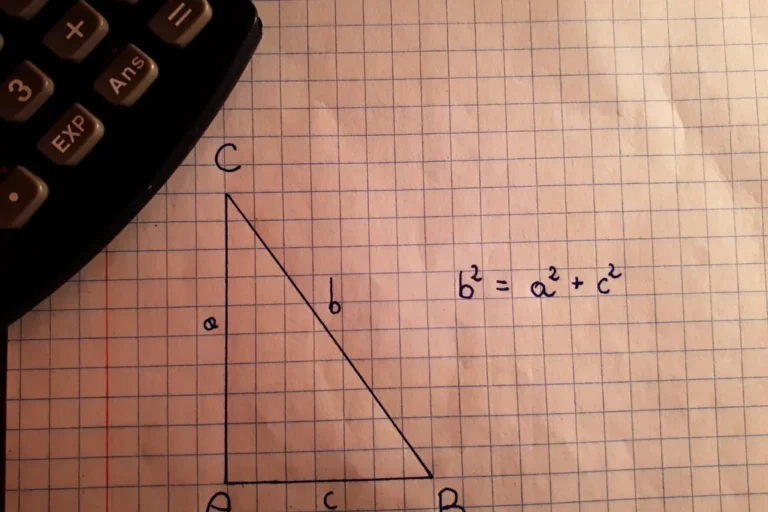
GCSE Maths Vectors: Notation, Paths and Proof Questions
GCSE vectors questions explained: column vectors, notation, finding paths, parallel vectors and step-by-step vector proofs, with worked examples to follow.
Read more →
Year 9 Maths: Topics to Secure Before Starting GCSE
Year 9 maths topics to secure before GCSE: number, algebra, ratio, geometry and probability foundations from KS3, with quick checks and a plan for gaps.
Read more →Book Bands Explained: What Your Child’s Reading Level Means
Book bands explained for parents: what the reading book colours mean, how bands match year groups, why they are only a guide, and how to help at home.
Read more →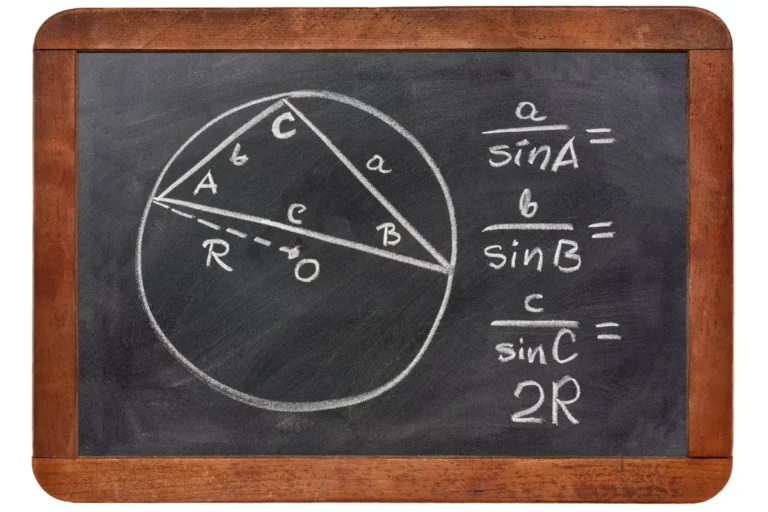
Circle Theorems for GCSE Maths: All Eight Rules Explained
Circle theorems for GCSE maths: the eight rules for angles, radii, tangents and chords, how to spot each one, and how to write clear reasons in your answers.
Read more →
Mechanics in A-Level Maths: SUVAT, Forces and Moments
A level mechanics explained: units, SUVAT and kinematics graphs, projectiles, Newton's laws, friction and moments, with worked examples and a clear method.
Read more →
Teaching Your Child to Tell the Time: A Step-by-Step Guide
Teaching kids to tell the time step by step: o'clock and half past, quarter past and to, five minutes, the nearest minute and the 24-hour clock, year by year.
Read more →
Solving GCSE Quadratics: Factorising, Formula or Completing Square
Solving quadratic equations at GCSE: when to factorise, when to use the quadratic formula and when to complete the square, with worked examples and checks.
Read more →
Spotting the Signs of Bullying and How to Talk About It
The signs of bullying parents can look for, how to start the conversation, what to ask the school, and when bullying should go to the police.
Read more →
Number Bonds to 10 and 20: Why They Matter in KS1
What number bonds to 10 and 20 are, what Reception, Year 1 and Year 2 are expected to know, why they matter for later maths, and games to practise at home.
Read more →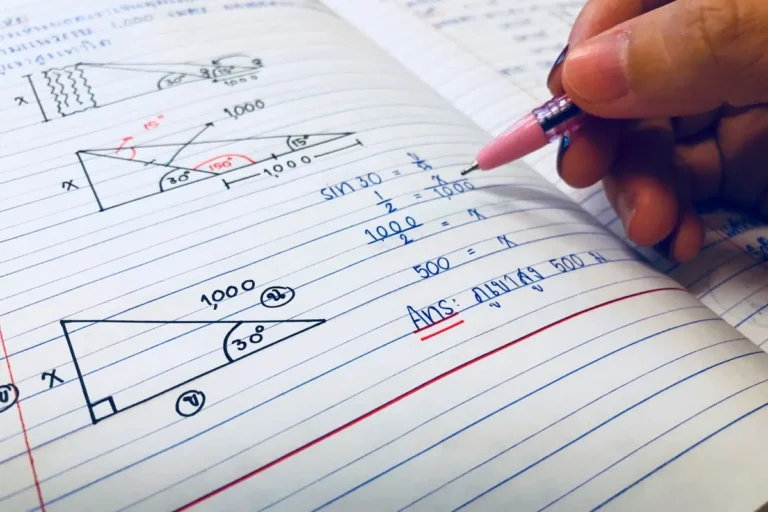
GCSE Simultaneous Equations: Elimination and Substitution Made Clear
GCSE simultaneous equations explained: elimination and substitution step by step, linear and quadratic pairs, worked examples and the slips that cost marks.
Read more →
Year 7 Science Topics: What Your Child Learns in the First Year
Year 7 science explained for parents: the KS3 biology, chemistry and physics topics, working scientifically, and practical ways to support science at home.
Read more →
Building Reading Fluency in Year 2 and Year 3
How to build reading fluency in Year 2 and Year 3: what fluency means, why accuracy comes before speed, and repeated, echo and paired reading at home.
Read more →
Jekyll and Hyde Revision: Context, Duality and Key Quotations
Jekyll and Hyde revision for GCSE: duality, reputation and secrecy, key characters, short quotations to learn and an essay plan for the extract question.
Read more →
A-Level Maths Large Data Set: What It Is and How to Prepare
What the A level maths large data set is, how exam questions use it, and a practical plan for Year 12 and 13 students to get familiar with it.
Read more →
Fronted Adverbials and Other KS2 Grammar Terms Explained for Parents
Fronted adverbials, expanded noun phrases, relative clauses and modal verbs explained in plain English, with examples and quick activities for KS2 homework.
Read more →Need more than tips?
Our small-group tuition in Milton Keynes covers KS1 to A-Level Maths, English and Science. Free assessment for KS2 and KS3.
- Free assessment for KS2 and KS3
- Groups of 3 at most
- 3 centres in Milton Keynes
Message us on WhatsApp
Tell us a little about your enquiry and WhatsApp will open with your message ready to send to 07732 777886. We take messages only, no calls.