


Educational tips and insights for parents
Practical advice on Maths, English and Science, study skills, SATs and GCSE preparation, written for families in Milton Keynes.

Signs of Dyspraxia in Children and How School Can Help
The signs of dyspraxia (DCD) in children, who to talk to about a diagnosis, and practical ways school and home can support handwriting, PE and daily tasks.
Read the article
Electricity in GCSE Physics: Circuits, Resistance and Power
A GCSE physics electricity guide: charge and current, V = IR, series and parallel circuits, I-V graphs, mains wiring and power equations, with examples.
Read more →
The Pomodoro Technique for Teenagers: Focus in Short Bursts
How to use the Pomodoro technique for students: a 25 minute study timer routine, what to do in study breaks, and how teenagers can adapt it for revision.
Read more →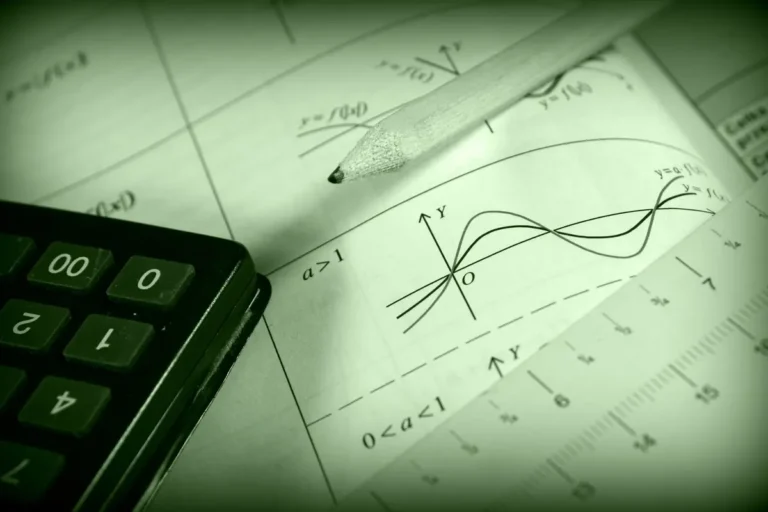
The Maths Skills A-Level Physics Students Need to Master
The A-Level physics maths you need: what AQA's spec lists, plus worked methods for logarithms, graphs, uncertainties and rearranging equations.
Read more →
A Christmas Carol GCSE Revision: Themes, Quotes and Essay Plans
A Christmas Carol GCSE revision made practical: the key themes, checked quotes for Scrooge, how AQA Paper 1 tests the novella and a ready-to-use essay plan.
Read more →
Atoms, Elements and Compounds: Year 8 Chemistry Explained
Atoms, elements and compounds explained for Year 8: clear definitions, mixtures vs compounds, symbols and formulae, separating mixtures and common mistakes.
Read more →
GCSE Physics Equations: Which to Learn and How to Use Them
Which GCSE physics equations to memorise and which are on the equation sheet, plus a simple method for rearranging and using units in exam answers.
Read more →
GL vs CEM 11 Plus: What the Difference Means for Bucks Families
GL vs CEM 11 plus explained for Bucks families: who sets the Buckinghamshire test, how to check a test provider, and how to choose the right practice papers.
Read more →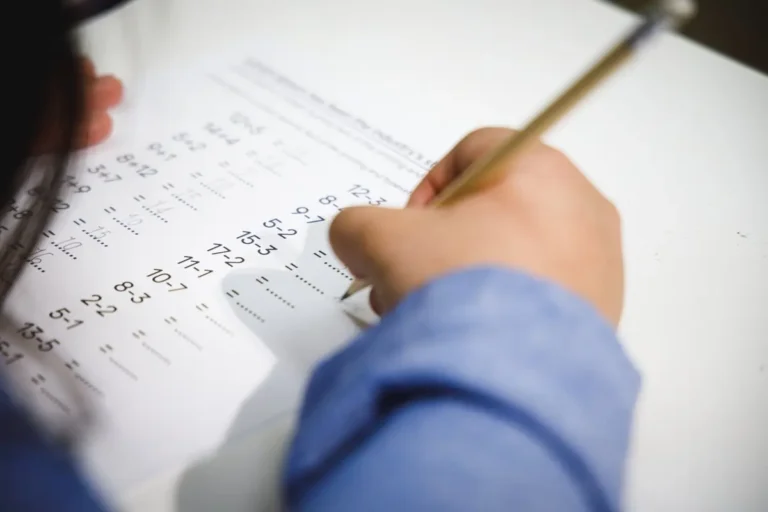
KS2 SATs Maths Reasoning Papers: How to Approach Each Question
How to tackle the KS2 SATs reasoning paper: what Papers 2 and 3 contain, a question-by-question method, showing working, timing and practice ideas for Year 6.
Read more →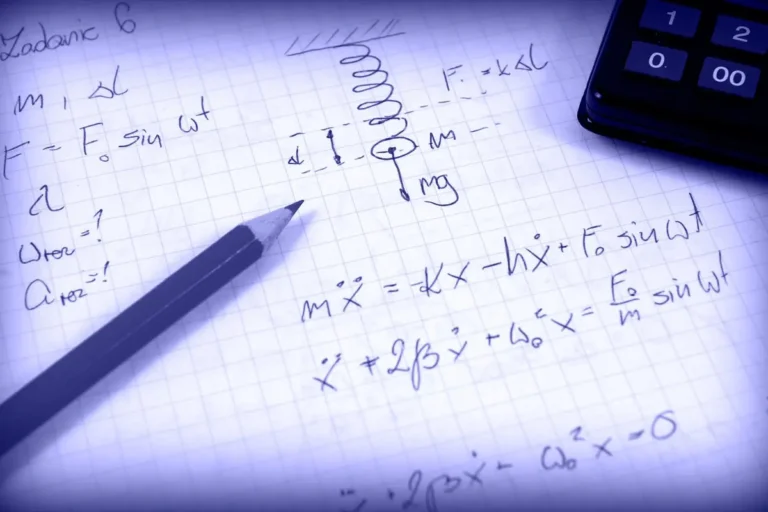
GCSE Chemistry Moles and Calculations: A Step-by-Step Guide
GCSE chemistry mole calculations step by step: relative formula mass, the moles equation, reacting masses, limiting reactants and concentration.
Read more →
Educational Christmas Gift Ideas That Children Actually Enjoy
Educational Christmas gifts children actually enjoy, grouped by age and skill: maths games, books, building and STEM kits, plus safety checks before you buy.
Read more →
Retrieval Questions in Reading: Helping Children Find the Answer
Retrieval questions in reading explained for parents: find and copy questions, skimming and scanning, key words, and simple home activities for Years 3 and 4.
Read more →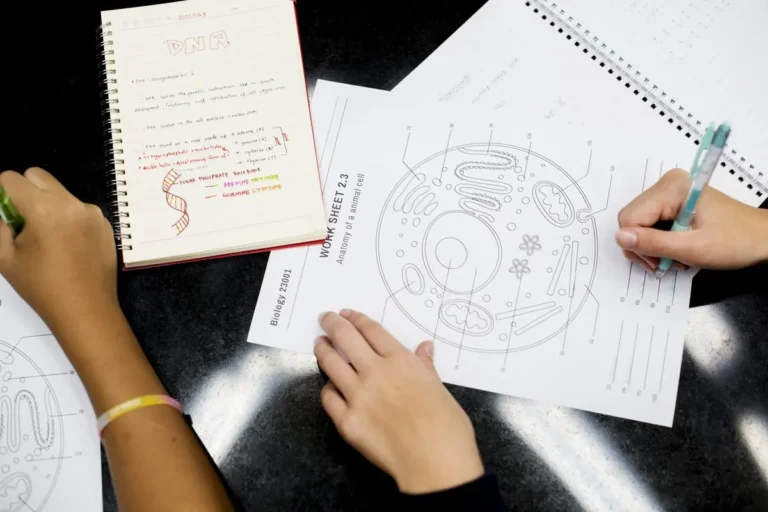
AQA GCSE Biology Paper 1: Topics to Revise and How to Revise Them
AQA biology paper 1 topics mapped to a revision order: cell biology, organisation, infection and response and bioenergetics, with required practicals.
Read more →
EHCPs in Milton Keynes: What They Are and How to Request One
EHCP Milton Keynes guide: what an education, health and care plan is, who can request an assessment, the 6 and 20 week timescales and local support in MK.
Read more →
The Blurting Revision Method: How to Use It Step by Step
How to use blurting revision step by step: write everything you remember, check it against notes, fill the gaps in a new colour and repeat after a few days.
Read more →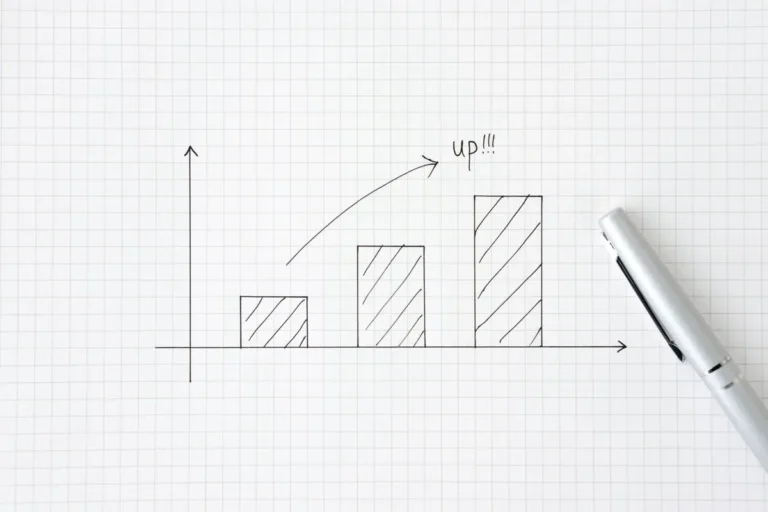
Histograms and Cumulative Frequency: GCSE Statistics Explained
Histograms in GCSE maths explained: frequency density, unequal class widths, cumulative frequency, box plots and interquartile range, with worked examples.
Read more →
Christmas Maths Activities for KS1: Counting, Shapes and Money
Christmas maths activities for KS1 children: counting, shape and money games using festive preparations, linked to what Year 1 and Year 2 learn at school.
Read more →
Writing the AQA A-Level Biology Essay: A Planning Method
A planning method for the AQA A level biology essay on Paper 3: choosing a title, linking topics across the course, structuring 25 marks and avoiding errors.
Read more →
GCSE Maths Algebraic Proof: How to Show That Answers Work
Algebraic proof GCSE questions made manageable: how to write even, odd and consecutive numbers, a layout template, worked proofs and show that questions.
Read more →Need more than tips?
Our small-group tuition in Milton Keynes covers KS1 to A-Level Maths, English and Science. Free assessment for KS2 and KS3.
- Free assessment for KS2 and KS3
- Groups of 3 at most
- 3 centres in Milton Keynes
Message us on WhatsApp
Tell us a little about your enquiry and WhatsApp will open with your message ready to send to 07732 777886. We take messages only, no calls.