The best educational Christmas gifts are ones children choose to play with again and again, where the learning comes from the playing: games with dice and scoring build mental maths, building sets develop spatial reasoning, and a well-chosen book builds reading stamina. Look for gifts that match your child’s interests first and the skill second. A game that gets played every weekend teaches far more than an impressive “learning” toy that stays in the box.
Below are ideas grouped by age and skill, without brand names or prices, so you can choose what suits your family and budget.
Key takeaways
- Choose by interest first: the gift has to be enjoyed to be used.
- Classic games with dice, cards and scoring are excellent maths gifts.
- Books remain one of the simplest gifts for building reading; pick by interest, not by “level”.
- Building, construction and simple science kits develop problem-solving and patience.
- Check for a CE or UKCA mark and follow the age guidance on the packaging before you wrap.
In this guide, we’ll cover:
- What makes a gift educational?
- Educational gifts for ages 4 to 6
- Learning toys for ages 7 to 11
- STEM gifts for kids
- Books as gifts: choosing well
- Gifts for teenagers that still build skills
- Low-cost and homemade learning gifts
- Safety checks before you wrap
- Getting the learning out of the gift
- Frequently asked questions
- A gift that keeps on giving
What makes a gift educational?
A gift helps learning when it asks a child to think, plan, count, read, build or explain, and is fun enough to repeat. Most of the best options are not marketed as “educational” at all. Ask three quick questions in the shop:
- Will my child want to use this more than once?
- Does it involve thinking, not just pressing buttons?
- Can we use it together?
If the answer to all three is yes, it is a strong choice.
Educational gifts for ages 4 to 6
| Gift idea | Skill it builds | How to use it |
|---|---|---|
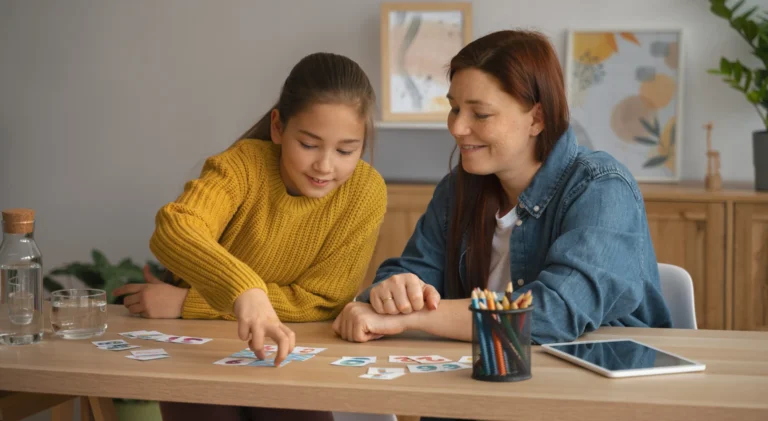
| Simple dice board games (snakes and ladders style) | Counting, number recognition, taking turns | Count the squares aloud; use two dice later and add them |
| Dominoes | Matching, counting dots, early addition | Count the total on each domino |
| Wooden shape sorters or pattern blocks | Naming 2D shapes, patterns | Copy and create patterns together |
| Picture books and early readers on a favourite topic | Vocabulary, listening, early reading | Read together every night, and let your child “read” pictures back to you |
| A play shop with pretend coins | Money, counting, role play | Price items at 1p to 10p and take turns being the shopkeeper |
| Chunky construction bricks | Fine motor skills, spatial thinking | Build towers and compare heights |
For more on this age, our list of fun maths games for KS1 and KS2 includes games you can make at home.
Learning toys for ages 7 to 11
| Gift idea | Skill it builds | Tip |
|---|---|---|
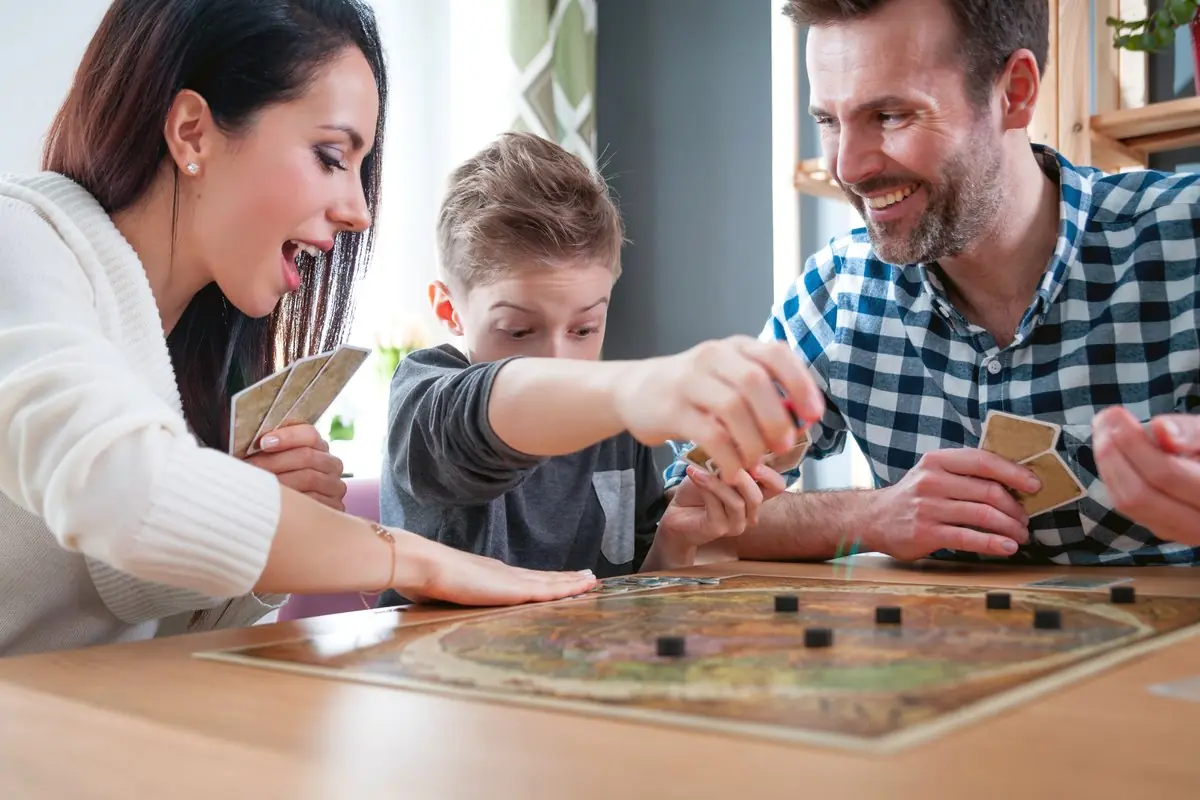
| Card games involving scoring or sequences | Mental arithmetic, strategy | Let your child keep the score |
| Strategy board games (such as chess or draughts) | Planning, reasoning, patience | Play little and often; teach one rule at a time |
| Logic puzzles and puzzle books (sudoku for kids, mazes, codes) | Reasoning, persistence | Good for quiet time and car journeys |
| Construction sets with instructions | Following instructions, spatial reasoning | Then build something without the instructions |
| A children’s atlas or globe | Geography, reading for information | Look up places from the news or holidays |
| A book series by an author they already like | Reading stamina | A series keeps them going book after book |
For children preparing for the 11 plus, strategy games can be a relaxed way to practise patient, step-by-step thinking away from practice papers.
STEM gifts for kids
Science, technology, engineering and maths gifts do not have to be expensive or screen-based.
- Simple science kits: crystal growing, volcano or slime kits, as long as an adult supervises.
- Magnifying glass or pocket microscope: look at leaves, insects and fabric close up.
- Bird feeder and a bird identification book: observation, recording and patience.
- Marble runs or building kits with gears: engineering and cause and effect.
- A beginner coding toy or board game that teaches sequencing without a screen.
- Kitchen scales and a children’s cookbook: measuring, reading recipes, fractions.
Books as gifts: choosing well
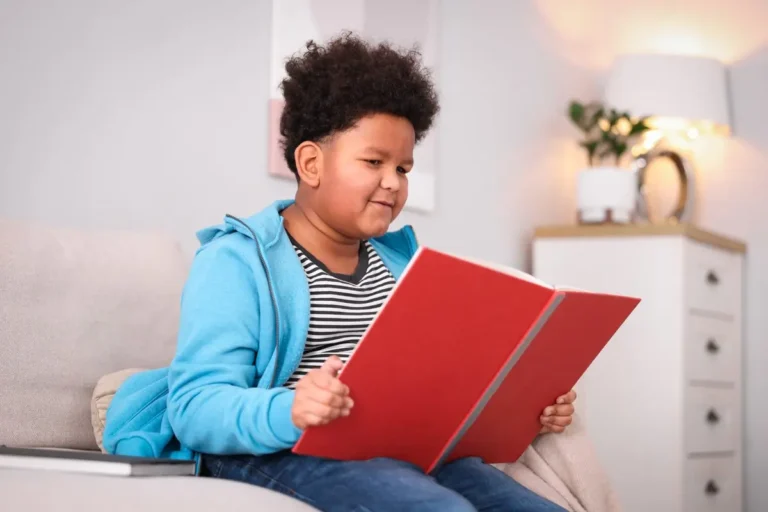
Books are one of the easiest gifts to get right if you start from the child’s interests. A football-mad nine-year-old who avoids reading may devour a funny football story or a book of football facts. Non-fiction, joke books, graphic novels and poetry all count. For more ideas, see our post on making reading fun for under 11s.
- Ask your child’s teacher or school librarian what they have enjoyed in class.
- Let older children choose from a bookshop or library display.
- Pair a book with a small related item, such as a torch for reading under the covers.
Gifts for teenagers that still build skills
- Strategy and word games for family evenings.
- A good scientific calculator for a GCSE student who does not yet have one they know well.
- A desk lamp, planner or wall calendar for organising revision.
- Books linked to their interests, or a novel adaptation of a film they loved.
- Experiences: a museum or science centre trip, or a practical class in something they want to learn.
Low-cost and homemade learning gifts
Some of the most-used gifts cost very little. A few ideas that work well:
- A “maths kit” box: a pack of playing cards, two dice, a tape measure and a small notebook for keeping scores.
- A family quiz book: write twenty questions about relatives, places you have visited and favourite foods. Children love answering, and then writing their own.
- A treasure hunt voucher: promise a New Year treasure hunt with written clues to read and follow, using directions and simple maps.
- A library trip and a new library card, wrapped as a ticket. Choosing their own books is a gift in itself.
- A recipe card set: three simple recipes you will cook together over the holidays, with your child in charge of weighing and timing.
Gifts like these are as much about time together as the object, which is often what children remember most long after the decorations come down.
Safety checks before you wrap
Trading Standards advice for Christmas shoppers, such as this Somerset Council guidance, covers the main checks:
- Look for a CE or UKCA mark on toys.
- Follow the age guidance on the packaging, and never give toys intended for older children to under-3s.
- Check for loose stitching, small detachable parts and secure battery compartments.
- Keep magnets and plastic packaging away from young children.
- Be cautious of unusually cheap offers from unverified sellers.
Getting the learning out of the gift
The gift is only half of it. The rest is how you use it.
- Play together in the first few days, so your child learns the rules and enjoys it.
- Talk while you play: “How many more do you need? What’s your plan?”
- Keep games visible, not on a high shelf, so they get played.
- Do not over-teach. If a game becomes a lesson, it stops being fun.
If you are unsure, ask your child which games they enjoyed most this year and build from there.
Frequently asked questions
What are good educational gifts for a 7 year old?
Card and dice games with scoring, simple strategy games, construction sets, puzzle books, a children’s atlas, and books by an author they already enjoy are all strong choices for this age. Pick around your child’s interests, and play together at first so the gift becomes a regular part of family time.
Are board games educational?
Many are. Games with dice, counting and scoring build mental arithmetic, while strategy games develop planning and reasoning. Turn-taking and losing gracefully are valuable skills too. The key is playing regularly and talking about thinking as you play, rather than turning the game into a test.
What gifts help children with maths?
Dice and card games, dominoes, a play shop with coins for younger children, kitchen scales and a cookbook, logic puzzles and strategy games all build maths skills naturally. Look for gifts where children count, calculate, measure or plan as part of the fun, rather than worksheets in disguise.
How do I check a toy is safe?
Trading Standards advice is to check for a CE or UKCA mark, follow the age guidance on the packaging, look for loose parts and secure battery compartments, and keep magnets and plastic packaging away from young children. Take extra care with unusually cheap offers from unverified sellers.
A gift that keeps on giving
A well-chosen game or book can support learning long after the wrapping paper has gone. If you would like to give your child a confidence boost in the new year, our tuition courses in Milton Keynes cover maths and English from primary to GCSE. To see where your child stands, book a free assessment.
Next step: Book a free assessment with PrimePlus and we will identify gaps, explain where your child is now and suggest a clear plan. Book your free assessment.