Getting ready for Reception is mostly about everyday independence and confidence rather than reading or writing early. The skills that help are practical: going to the toilet and washing hands, putting on a coat and shoes, listening and taking turns, talking about what they want and how they feel, and playing with numbers and stories. These link to the early learning goals that children work towards by the end of Reception, so your child does not need to have mastered them before starting. A little practice at home simply makes the first weeks easier.
Key takeaways
- The early learning goals describe the expected level of development at the end of Reception, not entry requirements.
- Self-care to practise: toileting, handwashing, coats, shoes and lunch.
- Talking, listening and sharing stories build language every day.
- Turn-taking games build the social skills used in class.
- Counting, number rhymes and play with small objects lay early number foundations.
In this guide, we’ll cover:
- What Reception is working towards
- Self-care and independence
- Talking and listening
- Feelings, friends and turn-taking
- Physical skills: pencils, scissors and cutlery
- Early number and reading foundations
- Preparing for the first day
- After they start
- Frequently asked questions
- Next steps
What Reception is working towards
Reception is the year in which children work towards the early years foundation stage (EYFS) early learning goals. The EYFS statutory framework sets out early learning goals that describe what children at the expected level of development will be able to do at the end of the Reception year. They include goals such as Managing Self, Speaking, Fine Motor Skills and Number.
That timing matters for parents. The goals are where children are heading by the summer of Reception, not a checklist for September.
Self-care and independence
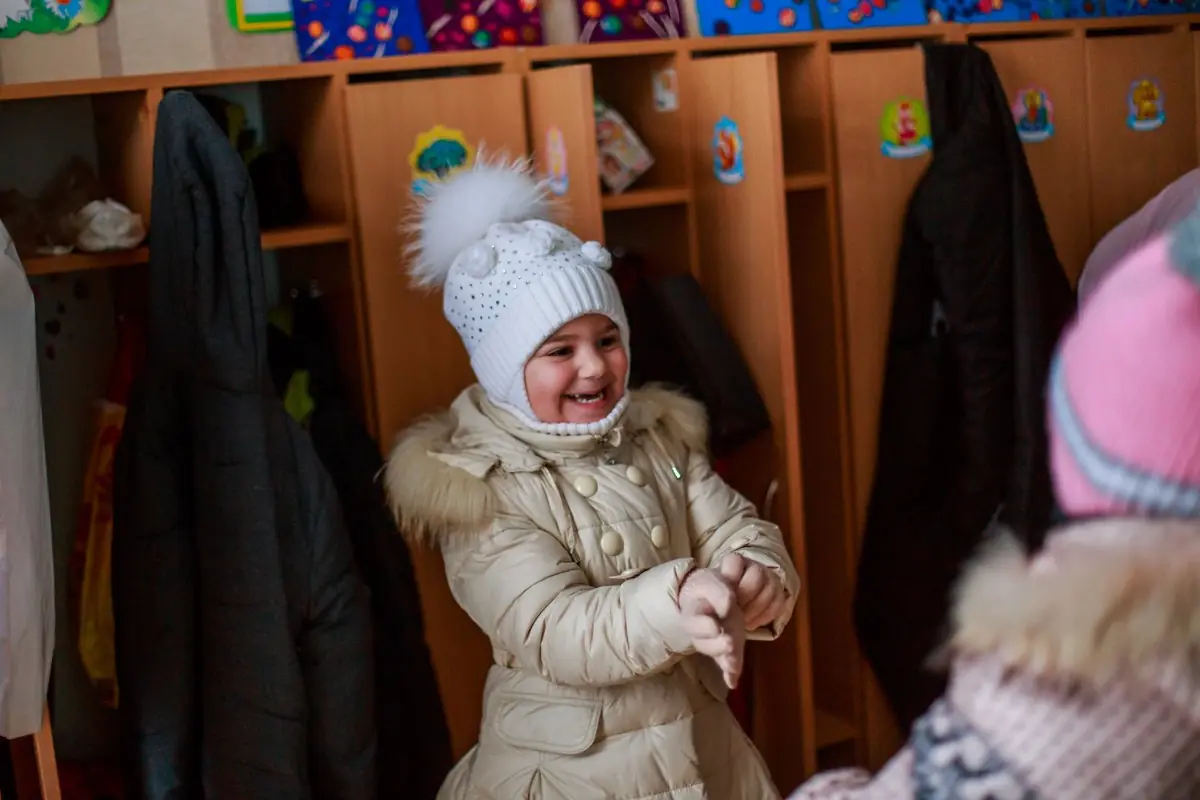
The Managing Self goal includes children managing “their own basic hygiene and personal needs, including dressing, going to the toilet and understanding the importance of healthy food choices”, and being “confident to try new activities”. Practising these at home before September helps your child feel capable in a busy classroom.
Skills to practise
- Toileting: going to the toilet independently, wiping, flushing and washing hands.
- Coats and shoes: putting on and taking off their own coat and shoes.
- Dressing: practising with their school uniform, especially for PE days.
- Lunch: opening a lunchbox and packets, or carrying a tray, and using cutlery.
- Belongings: recognising their own name label, bag and water bottle.
A tip for coats: lay the coat on the floor, lining up, with the hood at your child’s feet. They put their arms in the sleeves and flip it over their head.
Asking for help
Independence also means knowing when to ask. Practise phrases such as “Can you help me, please?” and “I need the toilet.” Saying these confidently to a new adult is a skill worth rehearsing.
Talking and listening
The Listening, Attention and Understanding and Speaking goals include listening attentively when being read to, holding a conversation with back-and-forth exchanges, and expressing ideas and feelings using full sentences. Everyday conversation is good practice:
- Read together every day. Ask “What do you think will happen?” and “How does the character feel?”
- Chat during routines. Talk about what you see on walks, at the shops, while cooking.
- Expand what they say. If your child says “Dog running”, reply “Yes, the big dog is running to the gate.”
- Ask open questions. “What was the best bit of today?” invites more than a yes or no.
- Practise following instructions. Start with one step, then try two: “Put your cup on the table, then wash your hands.”
Following instructions with more than one step links to the Self-Regulation goal, which includes following instructions involving several ideas or actions.
Feelings, friends and turn-taking
The Building Relationships goal includes working and playing cooperatively and taking turns with others. The Self-Regulation goal includes understanding feelings and being able to wait for what they want. Ways to build these at home:
- Play simple board games or card games that need turn-taking.
- Name feelings as they happen: “You look frustrated. That puzzle is tricky.”
- Practise waiting in small doses: “We’ll have a snack when the timer goes.”
- Arrange play dates or time at playgroups to practise sharing with other children.
Physical skills: pencils, scissors and cutlery
The Fine Motor Skills goal includes holding a pencil effectively in preparation for fluent writing, using the tripod grip in almost all cases, and using small tools including scissors, paint brushes and cutlery. You do not need worksheets. Playful activities strengthen hands and fingers:
- playdough: rolling, squeezing and cutting;
- threading beads or pasta onto string;
- picking up small objects with tongs or pegs;
- drawing with chunky crayons and chalk;
- cutting paper with child-safe scissors;
- using a knife and fork at mealtimes.
Big movements such as climbing, balancing, running and throwing are good play too.
Early number and reading foundations
The Number goal at the end of Reception includes a deep understanding of numbers to 10, subitising (recognising quantities without counting) up to 5, and recalling number bonds up to 5. Before starting, simple number play is plenty:
- counting stairs, toys and steps out loud;
- number rhymes and songs;
- spotting numbers on doors, buses and clocks;
- playing games with a dice and noticing the dot patterns;
- comparing: “Who has more grapes?”
For reading, useful things are sharing books, singing, rhyming and listening to sounds in words. Ask the school how it teaches phonics. Our post on creative ways to make reading fun has ideas for making story time enjoyable.
Preparing for the first day
- Talk about school positively. Visit the outside, walk the route, and look at the school website together.
- Practise the morning routine. A few trial runs with uniform, breakfast, teeth, shoes and leaving the house on time.
- Read stories about starting school. Talk about how the characters feel.
- Keep goodbyes short and warm. Agree a simple goodbye ritual, such as a hug and a wave at the gate, then leave confidently.
- Label everything. Uniform, shoes, water bottle and bag.
- Plan the pick-up chat. Instead of “How was school?”, try “Who did you play with?” or “What made you laugh today?”
A simple practice plan for the summer
| Area | Daily activity |
|---|---|
| Self-care | Coat and shoes on and off independently before going out |
| Language | One shared story with a chat about it |
| Social | One turn-taking game |
| Fine motor | Five minutes of playdough, drawing or threading |
| Number | Count something real, such as stairs or apples |
Use the plan flexibly. If one area is already secure, spend the time on another. Short, regular practice that your child enjoys is easier to keep going than long sessions, and noticing small successes out loud, such as “You did your coat all by yourself!”, lets your child know their effort has been seen.
After they start
Keep an eye on how your child is settling and talk to the class teacher if you have concerns. If you want to know what to look out for as your child moves through the early years of school, our guide to spotting KS1 learning gaps early may help.
Frequently asked questions
What should my child be able to do before starting Reception?
The EYFS early learning goals describe the expected level of development at the end of Reception, not at the start. Practical skills such as toileting, putting on a coat, asking for help and taking turns are useful to practise.
Should my child be able to read and write before Reception?
Not before starting. The early learning goals describe where children are expected to be at the end of Reception. Ask the school how it teaches phonics. Before school, sharing books, rhymes and songs, and lots of conversation, are good preparation.
How can I help my child hold a pencil correctly?
Build hand strength through play first: playdough, threading, pegs and drawing with chunky crayons. The Fine Motor Skills goal describes holding a pencil effectively, using the tripod grip in almost all cases, by the end of Reception, so there is time to develop it.
What if my child is not toilet trained when starting Reception?
Talk to the school before your child starts, so you can agree a plan together. Keep practising at home with a calm, consistent routine. Managing personal needs, including going to the toilet, is part of the Managing Self goal that children work towards during Reception.
Next steps
Pick one self-care skill and one story-time habit to practise this week, and keep them going daily. If you would like support with early reading and language once your child is at school, our KS1 English tuition in Milton Keynes offers small-group and online tuition, and a free assessment shows where your child is.
Next step: Book a free assessment with PrimePlus and we will identify gaps, explain where your child is now and suggest a clear plan. Book your free assessment.