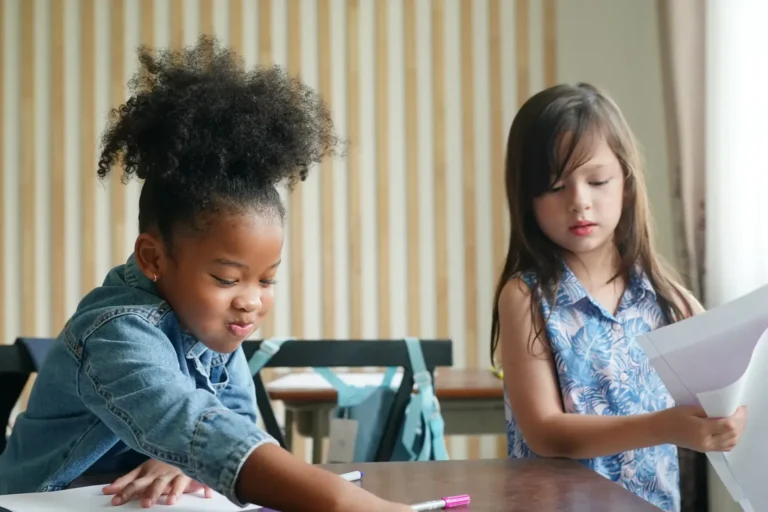
Every child faces challenges at school at some point.
It might be:
- Difficulty understanding maths
- Struggles with reading or writing
- Feeling left behind in class
- Losing confidence
- Anxiety about tests or homework
As a parent, it can be hard to know what to say—or how to help.
You might worry about:
- Saying the wrong thing
- Adding pressure
- Making your child feel worse
But here’s the key:
👉 How you talk to your child about their struggles can make a huge difference.
The right approach can:
- Build confidence
- Strengthen trust
- Help them open up
- Encourage progress
At Prime+ Tutoring, we regularly support students who initially feel overwhelmed or discouraged. Often, a positive and supportive conversation at home is the first step towards turning things around.
Why These Conversations Matter
Children don’t just need help academically—they need emotional support too.
If struggles are not addressed properly, they can lead to:
- Low confidence
- Anxiety
- Avoidance of schoolwork
- Long-term disengagement
On the other hand, supportive conversations can:
- Reassure your child
- Help them feel understood
- Encourage problem-solving
- Build resilience
Common Mistakes Parents Make
Even with the best intentions, some approaches can backfire.
❌ 1. Focusing Only on Results
Saying things like:
- “Why did you get this wrong?”
- “You should be doing better”
can increase pressure and reduce confidence.
❌ 2. Comparing Them to Others
Comparisons such as:
- “Your friend is doing better”
can damage self-esteem and motivation.
❌ 3. Jumping Straight to Solutions
Trying to “fix” everything immediately can:
- Overwhelm your child
- Shut down communication
❌ 4. Showing Frustration
Children pick up on tone quickly.
Even subtle frustration can make them less likely to open up.
Signs Your Child Is Struggling
Sometimes children don’t say it directly.
Look out for:
- Avoiding homework
- Saying “I can’t do it”
- Becoming frustrated or upset
- Loss of interest in school
- Changes in behaviour or mood
Recognising these signs early is key.
How to Start the Conversation
The way you begin matters.
✔ Choose the Right Moment
Avoid starting the conversation:
- During stress
- Right after school
- When emotions are high
Instead, choose a calm moment.
✔ Keep It Casual
Start with open, relaxed questions:
- “How was your day?”
- “What did you enjoy today?”
- “Was anything tricky?”
✔ Listen More Than You Talk
Give your child space to express themselves.
Avoid interrupting or correcting.
What to Say (And How to Say It)
✔ Show Understanding
Let your child know their feelings are valid.
Say things like:
- “That sounds really difficult”
- “I can understand why that feels frustrating”
✔ Focus on Effort
Instead of results, praise effort:
- “I’m proud of how hard you’re trying”
- “You’re improving step by step”
✔ Reassure Them
Remind your child:
👉 “It’s okay to find things difficult”
👉 “You can improve with practice”
✔ Encourage a Growth Mindset
Help them see challenges as opportunities.
Replace:
❌ “I can’t do this”
With:
✅ “I can’t do this yet”
Helping Your Child Move Forward
Once your child feels heard, you can gently guide them.
1. Break Problems Into Smaller Steps
Large problems feel overwhelming.
Break them into manageable parts.
2. Set Small, Achievable Goals
Small wins build confidence.
3. Create a Routine
Consistency helps children feel in control.
4. Keep Learning Positive
Use encouragement, not pressure.
5. Get Extra Support When Needed
Sometimes, additional help can make all the difference.
When to Consider Extra Support
You may want to consider tutoring if your child:
- Continues to struggle despite effort
- Has noticeable gaps in learning
- Is losing confidence
- Feels anxious about school
Structured support can help rebuild both skills and confidence.
How Prime+ Tutoring Supports Children
At Prime+ Tutoring, we understand that every child is different.
We don’t just focus on academic progress—we focus on confidence, mindset, and support.
✔ Small Group Tuition
We teach in small groups, allowing:
- Individual attention
- Peer support
- Reduced pressure
- Increased engagement
Children feel more comfortable asking questions and learning at their own pace.
✔ Supportive and Experienced Tutors
Our tutors are:
- Fully qualified teachers
- Experienced educators
- Patient and encouraging
They create a safe environment where children feel confident to learn.
✔ Personalised Learning Plans
Every child receives a tailored approach based on:
- Strengths
- Weaknesses
- Learning style
✔ Confidence-Focused Teaching
We prioritise:
- Encouragement
- Progress
- Positive reinforcement
This helps children rebuild belief in their abilities.
Why We Are Trusted by Parents in Milton Keynes
Families in Milton Keynes choose Prime+ Tutoring because we offer:
- 30+ years of teaching experience
- Small group learning
- Proven results
- Structured programmes
- Supportive environment
We help children:
👉 Feel understood
👉 Build confidence
👉 Achieve better results
Our Tuition Centres
We provide tuition at:
- Centre MK (Fishermead)
- West MK (Whitehouse)
Free Assessment & First Steps
We offer a FREE assessment for KS2 and KS3 students to:
- Identify learning gaps
- Understand challenges
- Create a personalised plan
This is often the first step in rebuilding confidence.
The Long-Term Impact of Supportive Conversations
When children feel supported, they are more likely to:
- Engage in learning
- Ask for help
- Build resilience
- Develop confidence
These skills extend far beyond school.
Final Thoughts
Talking to your child about school struggles isn’t always easy—but it’s one of the most important things you can do.
The goal is not to fix everything immediately.
👉 The goal is to help your child feel:
- Heard
- Supported
- Capable
With the right conversations and the right support, every child can overcome challenges and succeed.
At Prime+ Tutoring, we’re here to support both students and parents every step of the way.