
Every child is different, and finding the right study techniques can make a huge difference in how effectively they learn and perform in exams.
blog16-top-7-study-techniques-that-actually-work-for-ks2-to-gcseIn this guide, we’ll cover:
Why Good Study Techniques Matter
Effective study techniques improve memory retention, build confidence, foster motivation and support better exam results.
1. Active Recall
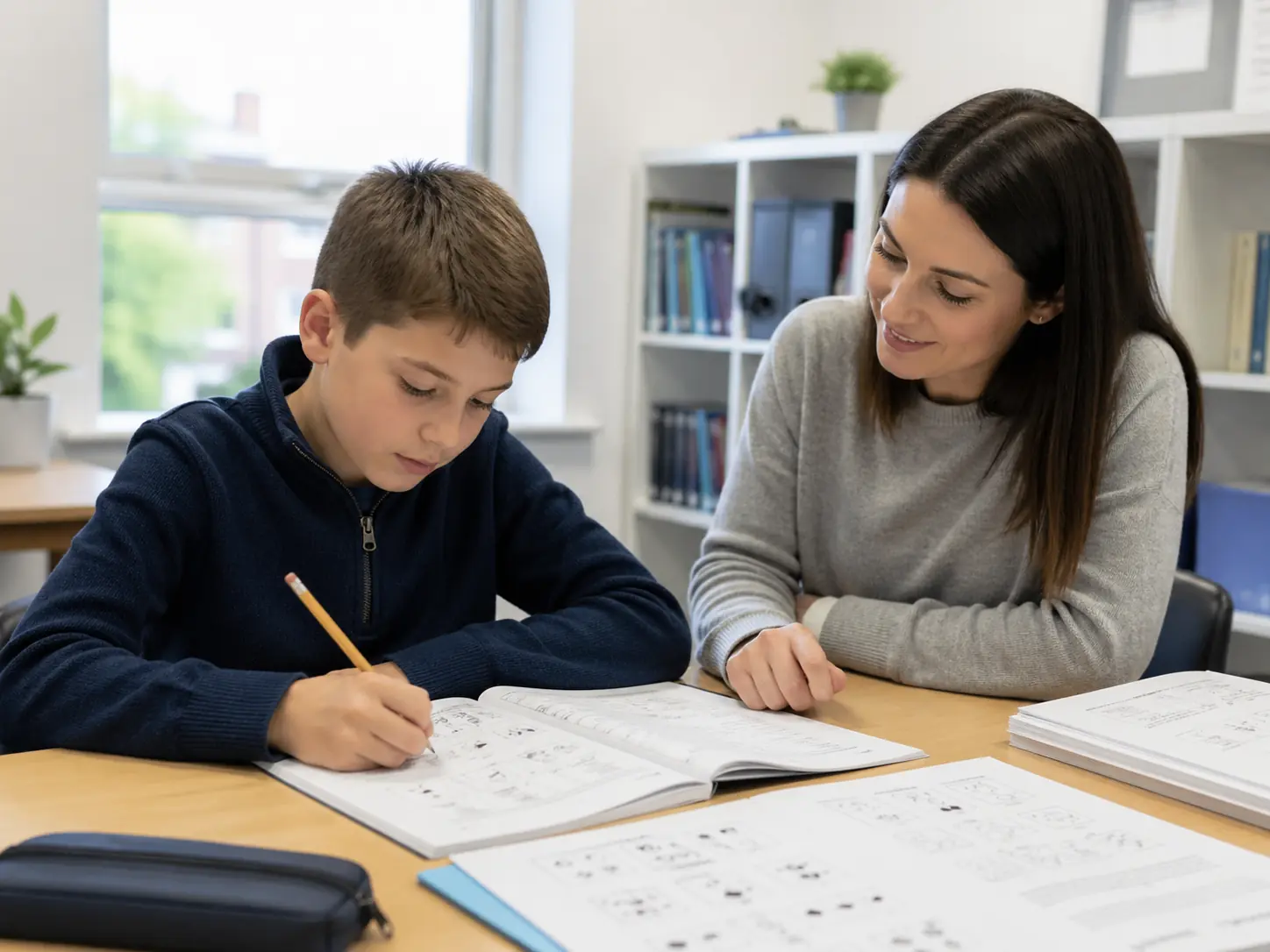
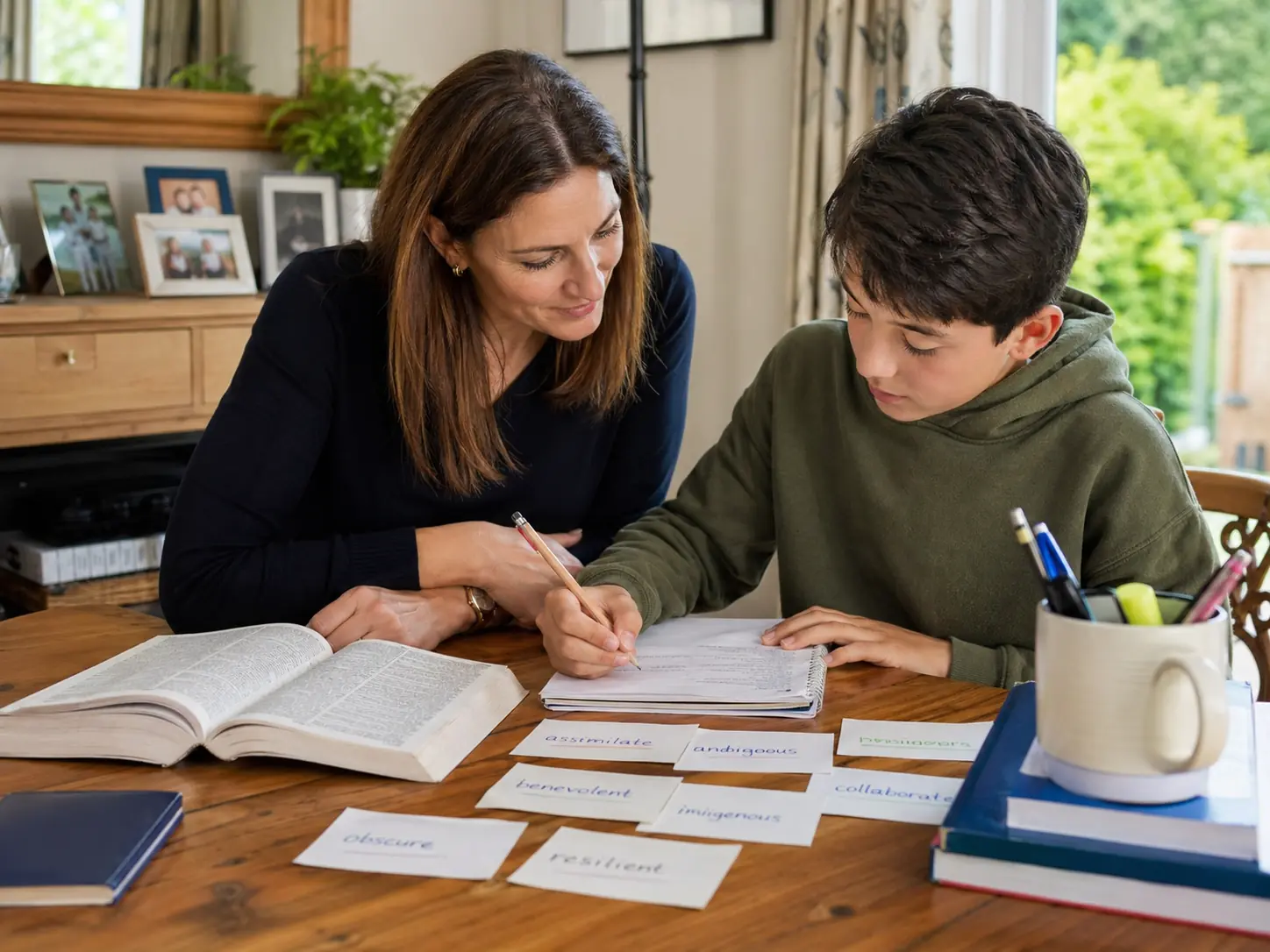
Active recall means testing yourself rather than passively re-reading notes. Use flashcards, practice questions or teach the material out loud. Our article The Science of Spaced Repetition has more on this.
2. Spaced Repetition
Spaced repetition involves reviewing content over increasing time intervals. It is especially useful for vocabulary, formulas and key facts. Our article Mind Mapping for Revision has more on this.
3. The Pomodoro Technique
Study for 25 minutes, then take a 5-minute break. Short bursts of focus help maintain concentration and avoid burnout. Find out more about our tuition courses.
4. Mind Mapping
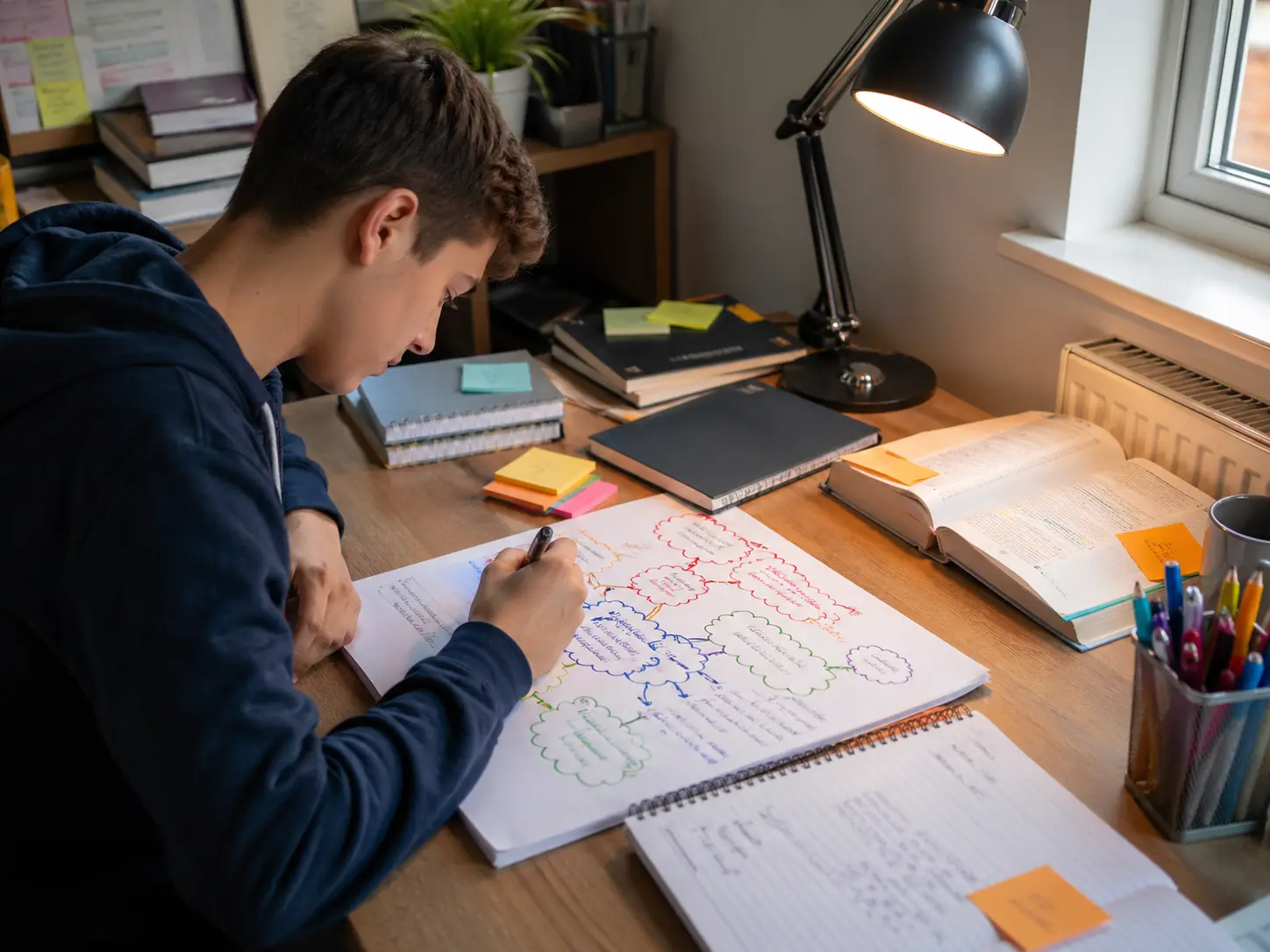
Mind maps organise information visually and help students connect related ideas. They are useful for English, science, history and many topic-based subjects.
5. Past Paper Practice
Past papers familiarise students with exam formats, timing and question styles. They also reduce anxiety by making exams feel more predictable.
6. Interleaving
Interleaving means mixing topics or subjects within one study session. It helps students switch between ideas and improves problem-solving.
7. Setting SMART Goals
SMART goals are specific, measurable, achievable, relevant and time-bound. They give students structure and a sense of progress.
Choosing Techniques by Age
KS2 students often benefit from mind maps, Pomodoro and active recall through games. KS3 students can add spaced repetition and interleaving. GCSE students should combine all strategies with exam-specific practice.
How PrimePlus Helps
PrimePlus tutors help students choose techniques for their learning style, practise exam techniques, set goals and build long-term academic habits.
Final Thoughts
Effective studying is a skill that can be taught. With the right techniques, students gain tools to succeed with less stress and more confidence.
Book a Free Assessment with PrimePlus Tutoring
Find out where support is needed and receive a structured plan designed around your child’s current level and next steps.