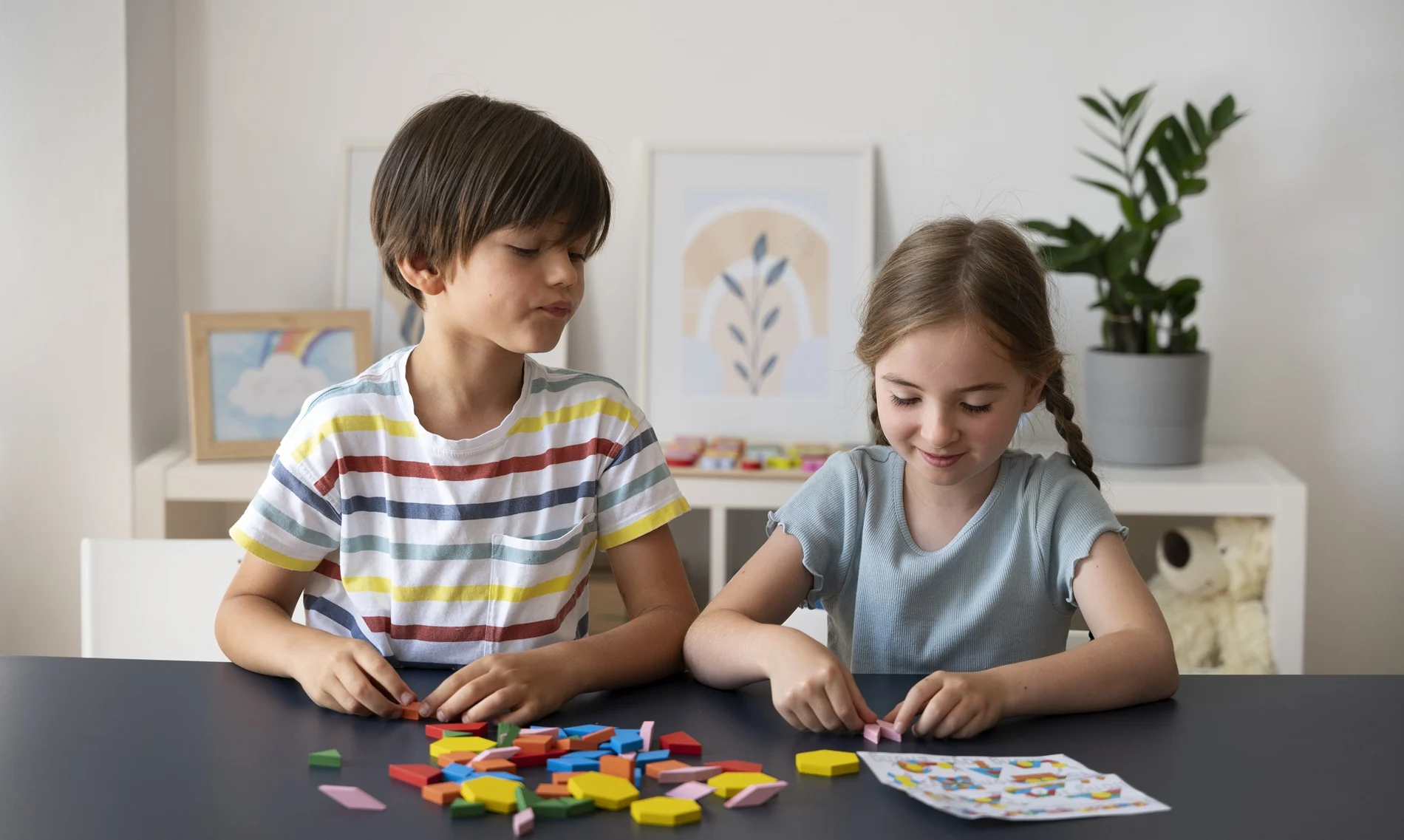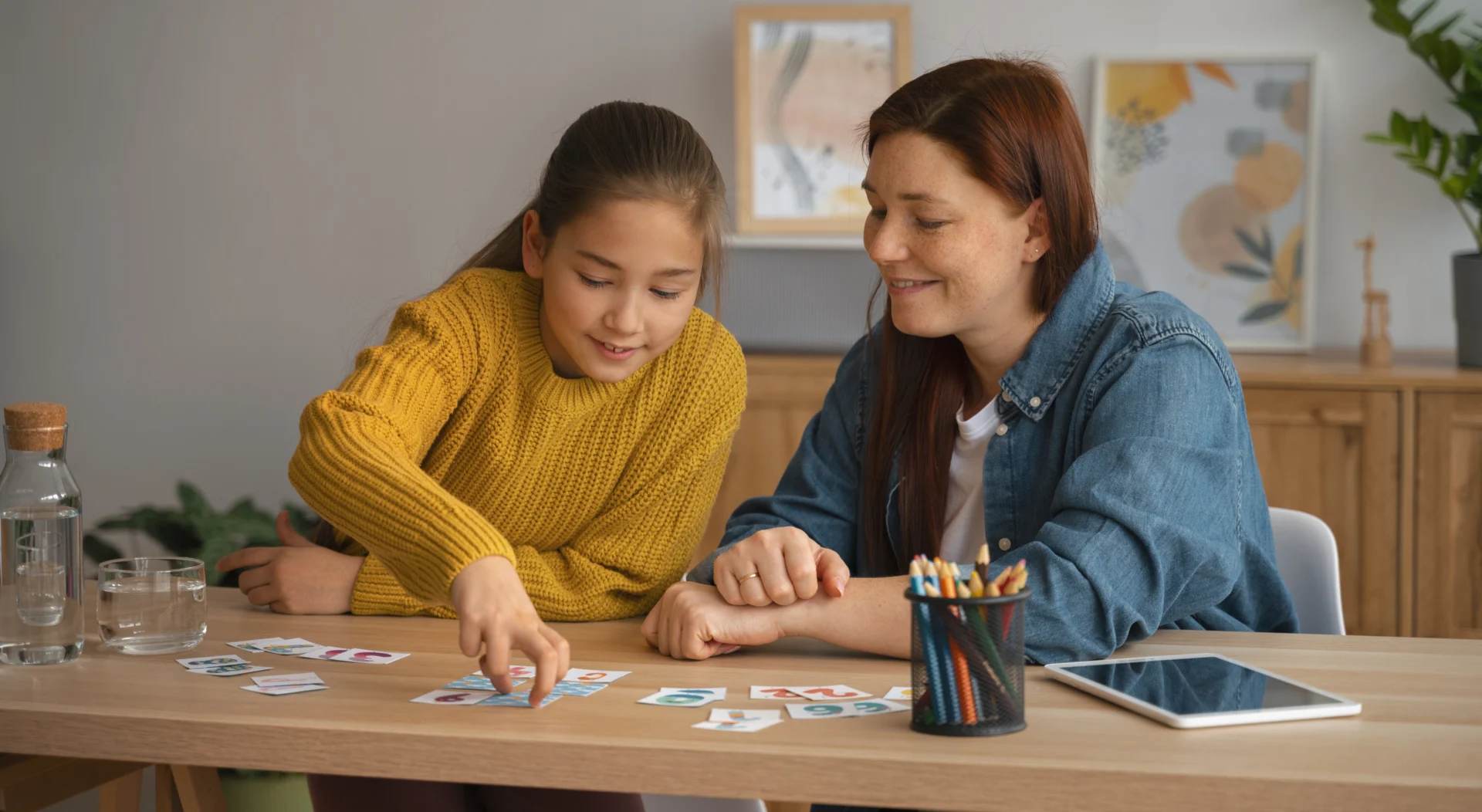
Many parents excel at helping their children with maths homework or reading practice, but when it comes to teaching how to study effectively, they often feel lost. You’re not alone if you’ve wondered how to help your child develop better study habits, improve their focus, or remember what they’ve learned.
The good news? Even young learners can develop strong study skills with the right approach. Children under 11 are naturally curious and adaptable, making the primary years an ideal time to build lifelong learning habits. Rather than waiting until secondary school when academic pressure intensifies, establishing effective study techniques early creates a foundation for success.
At PrimePlus Tutoring, we’ve seen how powerful it can be to teach study skills alongside subject knowledge in our small 3-learner micro-groups. Children not only grasp concepts more effectively but also develop the confidence and independence that comes from knowing how to learn.
This guide will share age-appropriate study techniques, memory tricks, focus strategies, and routine-building tips that work specifically for children aged 5-11. Whether you’re preparing for KS2 SATs or simply want to help your child become a more confident learner, these practical strategies will transform homework time from a battle into an opportunity.
In this guide, we’ll cover:
- Why Study Skills Matter in Primary Years
- Study Environment & Routine
- Memory Boosting Techniques for Kids
- Focus & Concentration Strategies
- Note-Taking & Organisation
- Reading & Revision Skills
- Motivation Without Bribes
- Why 3-Learner Micro-Groups Work for Study Skills
- Tools & Resources Parents Can Use
- Troubleshooting Common Study Struggles
- Building Lifelong Learning Habits
- Frequently asked questions
Why Study Skills Matter in Primary Years
1Learning How to Learn
The primary years are when children’s brains are most adaptable, making this the perfect time to establish strong learning foundations. Early study habits don’t just stick – they become the building blocks for everything that follows. A child who learns effective study techniques at age 7 will approach KS2 SATs with confidence and transition to secondary school with established routines already in place.
Building study skills early also develops independence and self-confidence. When children understand how their own minds work best – whether they need movement breaks, visual aids, or quiet spaces – they become active participants in their learning rather than passive recipients of information.
2Common Struggles Ages 5-11
Before diving into solutions, it’s helpful to recognise the typical study challenges that primary-aged children face. Many struggle with remembering multi-step instructions, often forgetting the second or third part of what they’re meant to do. Others rush through their work, eager to finish rather than focusing on quality or understanding.
Avoidance is another common pattern, particularly when tasks feel overwhelming or difficult. A child might procrastinate, become distracted, or simply declare “I can’t do it” before really trying. Short attention spans compound these issues – what feels like defiance is often a child’s brain genuinely reaching its concentration limit.
Understanding these natural developmental challenges helps parents respond with patience and appropriate strategies rather than frustration.
Study Environment & Routine
1The “Same Time, Same Place” Habit
Creating predictability around study time helps young minds prepare mentally for focused work. When children know that homework happens at the kitchen table every day after their snack, their brains begin shifting into “learning mode” automatically. This consistency reduces resistance and creates a sense of security around study time.
The location doesn’t need to be perfect – what matters is that it’s consistent and practical for your family routine.
2The 3-Stage Study Routine
Effective study sessions for primary-aged children follow a simple three-stage structure. Begin with a 5-minute warm-up activity like a quick brain teaser, reviewing flashcards, or practicing times tables. This gentle start helps transition from play or rest mode into focused learning.
The main focus period should last 15-20 minutes maximum for younger children, tackling the most challenging task first when attention is sharpest. This might be new maths concepts, spelling practice, or reading comprehension.
End with a 5-minute review where your child explains what they’ve learned. This “teach-back” method strengthens memory and builds confidence. Ask questions like “What was the trickiest part?” or “How would you explain this to your little sister?”
3Make Space Work for Them
The ideal study space combines practical elements with your child’s preferences. A quiet area with natural light and minimal visual distractions works best, but don’t stress if your only option is the busy kitchen table. Having essential tools nearby – pencils, rubber, ruler, paper – prevents constant interruptions to hunt for supplies.
Some children focus better with a small fidget toy or stress ball, while others need complete stillness. Pay attention to what helps your individual child concentrate most effectively.
Memory Boosting Techniques for Kids
1Chunking & Visuals
Young brains process information more effectively in small groups. Instead of trying to memorise a long list of spellings, group them into sets of three similar words. For example: “light, night, sight” followed by “could, would, should.”
Visual memory techniques work particularly well for primary-aged children. Simple mind maps with drawings, colour-coded notes, or even silly doodles help information stick. A child learning about the water cycle might draw clouds with faces, or use hand gestures to remember the stages.
Encourage your child to create their own visual memory aids – the act of drawing or designing helps embed the information more deeply than simply looking at ready-made diagrams.
2Active Recall (Simple Quizzing)
Rather than repeatedly reading the same information, active recall involves retrieving knowledge from memory. For young children, this can be as simple as covering up answers and asking them to remember, or creating flashcards for key facts.
The “teach-back” method works brilliantly – ask your child to explain their learning to a teddy bear, younger sibling, or even the family pet. When children put concepts into their own words, they identify gaps in their understanding and strengthen their memory simultaneously.
Make it playful rather than formal. Quick-fire questions during car journeys or while preparing dinner turn recall practice into a game rather than extra work.
3Repetition & Spacing
Instead of cramming information in one long session, little and often wins every time. Five minutes of daily spelling practice proves more effective than a 30-minute session once a week. This “spaced repetition” allows the brain to consolidate information between sessions.
Songs, rhymes, and rhythmic patterns tap into children’s natural love of music and movement. Times tables become much more memorable when chanted to a beat or sung to familiar tunes. Clapping, marching, or even simple dance moves can help mathematical concepts or spelling patterns stick in long-term memory.
Focus & Concentration Strategies
1Short Bursts with Breaks
Primary-aged children’s attention spans are naturally limited, so working with this rather than against it prevents frustration for everyone. A modified Pomodoro technique works well: 10-15 minutes of focused study followed by a 2-3 minute break.
During focus time, tackle just one specific task. During breaks, encourage movement rather than screen time – the goal is to refresh attention rather than shift it to something equally demanding.
2Movement & Brain Breaks
Physical movement literally helps young brains refocus. Simple activities like star jumps, stretching, dancing to one favourite song, or even walking to the window and back can reset a child’s attention span.
Watch for signs that concentration is waning – fidgeting, yawning, making careless mistakes, or becoming easily frustrated. These signal that it’s time for a movement break, not time to push harder.
Some children benefit from subtle movement even during study time. A wobble cushion, standing desk option, or simply allowing them to walk around while reciting spellings can actually improve their focus.
3Limit Distractions
For young children, “out of sight, out of mind” applies powerfully to distractions. Turn off background TV or music, put away toys that might prove tempting, and keep only the current task visible on the workspace.
If your child struggles with this, try using a small cardboard folder to block their view of other worksheets or activities. Sometimes the simple act of covering distracting items helps maintain focus without battles or negotiations.
Note-Taking & Organisation
1Age-Appropriate Note Styles
Note-taking for primary children looks very different from adult or secondary school approaches. Younger children (ages 5-8) benefit from drawing pictures alongside key words, creating simple mind maps with branches and images, or using symbols to represent important ideas.
Older primary children (ages 9-11) can begin using bullet points, colour-coded notes for different subjects, and simple graphic organisers. The key is keeping it visual, simple, and personally meaningful rather than trying to write down everything.
2Graphic Organisers
Visual organisers help children structure their thinking and make connections between ideas. Venn diagrams work well for comparing and contrasting topics, while flow charts help with understanding sequences or processes.
Simple story boards can help with creative writing planning, and basic tables or grids assist with organising information for project work. The goal isn’t perfection – it’s helping children see how information connects and relates.
3Visual Progress Trackers
Children thrive on seeing their progress, but the focus should be on effort rather than results. A simple checklist that includes items like “I tried my best,” “I asked for help when needed,” or “I kept going when it was tricky” builds positive study habits.
Progress charts, stickers for effort, or even photos of completed work help children recognise their growth over time. This visual feedback motivates continued effort and builds confidence in their ability to learn and improve.
Reading & Revision Skills
1Skim, Scan, and Summarise
Teaching primary children to interact actively with text sets them up for success throughout their education. Start with simple skimming – looking at headings, pictures, and the first sentence of paragraphs to get an overview before reading in detail.
Scanning involves looking for specific information or key words. Make this into a game by asking your child to find particular facts or numbers within a text.
For summarising, ask your child to explain the main idea in one sentence. This “gist” practice develops comprehension skills and helps identify whether they’ve truly understood what they’ve read.
2Teach-Back Method
The most powerful revision technique for young children is explaining what they’ve learned in their own words. Ask them to “explain it like I’m in Year 2” or teach it to someone who knows nothing about the topic.
This approach immediately reveals gaps in understanding and reinforces what they do know well. It also builds confidence – children feel proud when they can successfully teach something to someone else.
Regular teach-back sessions don’t need to be formal. Quick conversations over dinner or during car journeys where children share what they learned that day provide excellent revision opportunities.
3Mix It Up
Alternating between different types of tasks prevents mental fatigue and builds flexible thinking skills. Follow 10 minutes of maths practice with some reading, then switch to a creative or hands-on activity.
This variety maintains engagement and helps children develop the ability to switch between different types of thinking – computational, creative, analytical, and practical. These transitions mirror real-world learning demands and prevent boredom.
Motivation Without Bribes
1Autonomy & Choice
Even small choices can dramatically increase a child’s engagement with study time. Let them decide whether to tackle maths or English first, choose which coloured pen to use for corrections, or pick the location for that day’s homework session.
This sense of control helps children feel like active participants in their learning rather than passive recipients of adult instructions. The tasks might be non-negotiable, but how they approach them can often be flexible.
2Process Praise
Focus praise on effort, strategy, and persistence rather than natural ability or results. Comments like “You kept trying even when that maths was tricky” or “I noticed how you used your finger to track the words – that’s a smart reading strategy” reinforce the behaviours you want to see repeated.
This type of praise builds resilience and encourages children to view challenges as opportunities to grow rather than threats to their self-image.
3Natural Rewards
The best rewards for study effort are natural extensions of learning – sharing work with grandparents, displaying good efforts on a family pride board, or using new knowledge in real situations.
These authentic celebrations feel more meaningful to children than sticker charts or treats, and they reinforce the intrinsic satisfaction that comes from learning and growing.
Why 3-Learner Micro-Groups Work for Study Skills
Small group learning environments offer unique advantages for developing study skills that neither one-to-one tutoring nor large classes can provide. With just three children, there’s enough peer energy to create engagement and motivation, but not so many personalities that anyone gets lost or overwhelmed.
Our experienced tutors can spot individual learning gaps quickly while teaching study strategies that benefit the whole group. Children naturally learn from watching their peers use flashcards, create mind maps, or work through memory games – often picking up techniques more readily from other children than from adults.
The micro-group setting builds independence and confidence in a safe, supportive environment. Children practice explaining their thinking to peers, learn to ask questions, and develop the social aspects of learning that will serve them well throughout their education.
This approach means study skills develop naturally alongside subject knowledge, creating competent, confident learners who know both what to learn and how to learn it effectively.
Could a 3-Learner Group Help Your Child?
Book a free assessment to see how our Milton Keynes micro-groups, with a maximum of three learners, could support your child.
Tools & Resources Parents Can Use
Simple, accessible tools can transform study time without requiring significant investment. Digital flashcard apps like Quizlet offer child-friendly ways to practice key facts, though physical cards work just as well for many children.
BBC Bitesize provides excellent structured practice for KS1 and KS2 topics, with age-appropriate explanations and interactive elements that reinforce learning. Free mind map templates available online can help children organise their thoughts for project work or revision.
Physical tools often prove most valuable: coloured pens for coding different types of information, sticky notes for marking important pages, mini whiteboards for quick practice, and simple timers for managing study sessions. The key is having these readily available rather than hunting for them each time.
Troubleshooting Common Study Struggles
When children refuse to start studying, try the “5-minute ignition” approach. Commit to just five minutes of the task – often, starting is the hardest part, and momentum builds naturally. If they genuinely stop after five minutes, honour that agreement and try again later.
For children who give up quickly when tasks become challenging, break work into smaller chunks and celebrate effort at each stage. Sometimes what looks like laziness is actually overwhelm – making tasks more manageable often solves the problem.
Distraction issues usually respond well to movement breaks and environmental changes. Remove visual clutter, ensure basic needs (hunger, thirst, bathroom) are met, and don’t hesitate to incorporate movement into learning when needed.
If your child seems overwhelmed, focus on one subject or even one small topic at a time. Building confidence through small successes creates momentum for tackling bigger challenges.
Building Lifelong Learning Habits
Study skills for primary children aren’t just about improving grades or test performance – they’re about developing the confidence, independence, and resilience that will serve children throughout their lives. The habits built through consistent routines, effective memory techniques, and supportive practice become the foundation for all future learning.
Parents play a crucial role in this development by creating structure, maintaining consistency, and celebrating effort over results. The goal isn’t perfection but progress, not immediate mastery but growing confidence in their ability to learn and improve.
At PrimePlus Tutoring, our micro-groups of maximum 3 learners provide the ideal environment for these study skills to develop naturally. Children receive individual attention while benefiting from peer learning, building both academic skills and learning confidence in a supportive setting.
Frequently Asked Questions
What are the best study techniques for primary school children?
The most effective techniques for children under 11 include short bursts of focused study (10-20 minutes), memory games and visual aids, simple mind maps, active recall through teach-back methods, and consistent daily routines. Movement breaks and hands-on activities work particularly well for this age group.
How long should children under 11 study at home?
Twenty to thirty minutes daily is typically sufficient for primary-aged children. Focus on consistency over long sessions – short, regular study periods prove much more effective than occasional lengthy homework marathons. Quality and engagement matter more than quantity.
How can I motivate my child to study without using bribes or rewards?
Offer small choices within study time, use process praise that focuses on effort and strategy rather than results, and celebrate learning through natural rewards like sharing work with family members. Building autonomy and recognising persistence creates intrinsic motivation that lasts.
Do study skills really help children under 11?
Absolutely. Early study habits boost confidence, reduce academic stress, and prepare children for KS2 assessments and the transition to secondary school. Children who learn effective study techniques early become independent learners who can adapt to new challenges throughout their education.
Why do micro-groups of 3 work better for developing study skills?
Small groups provide the perfect balance – enough peer interaction to create energy and motivation, but not so many children that anyone gets overlooked. Children learn techniques from watching peers, receive individual attention from tutors, and practice study skills in a supportive, low-pressure environment.
Want your child to study smarter, not harder?
Book a Free Assessment and discover how our 3-learner groups in Milton Keynes make learning both effective and enjoyable, building the study skills that will benefit your child for years to come.